AI Reshaping TV Content: 4 Updates for 2026
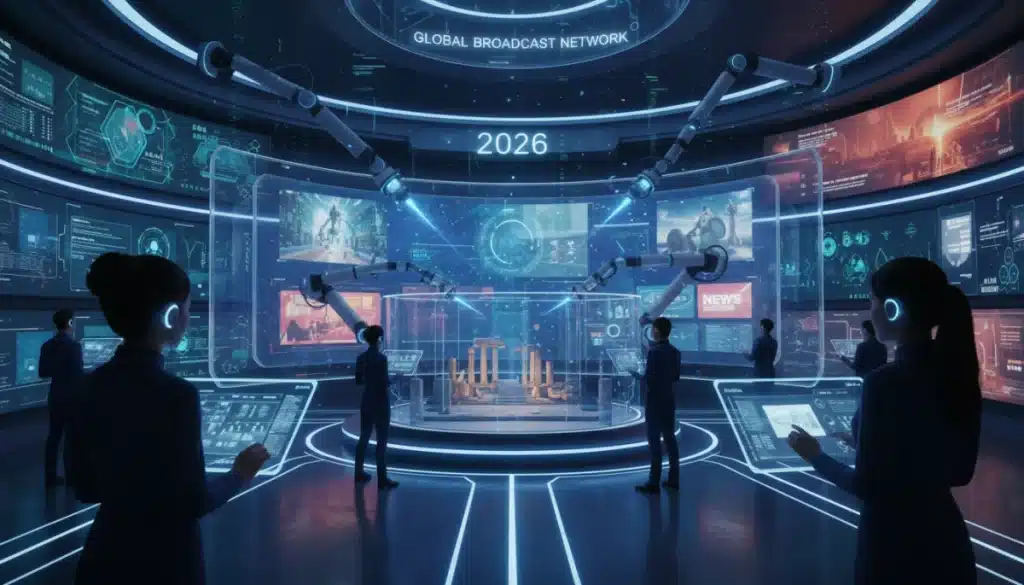
AI is rapidly transforming how major TV networks create content, with recent advancements in generative AI, personalized content delivery, virtual production, and data-driven storytelling setting the stage for significant shifts in the industry by 2026.
Have you ever wondered what goes on behind the scenes: 4 recent updates on how AI is reshaping content creation for major TV networks in 2026? The landscape of television production is undergoing a profound transformation, driven by the rapid evolution of artificial intelligence. This isn’t just about automation; it’s about fundamentally rethinking how stories are conceived, produced, and delivered to audiences.
The Rise of Generative AI in Script Development
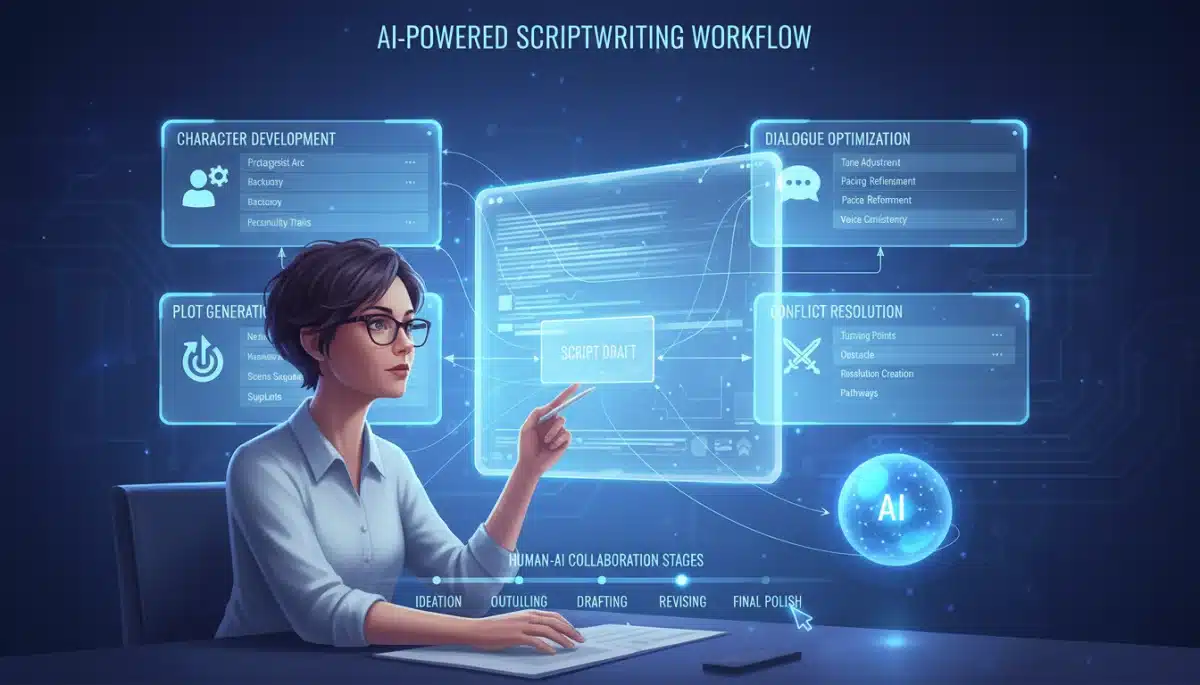
Generative AI is no longer a futuristic concept; it’s actively revolutionizing the initial stages of content creation, particularly in script development for major TV networks. By 2026, AI algorithms are becoming sophisticated co-creators, assisting writers in brainstorming, outlining, and even drafting dialogue, significantly accelerating the pre-production phase.
This integration allows for a more experimental approach to storytelling, where AI can quickly generate multiple narrative possibilities, character arcs, and plot twists that human writers can then refine. It’s about augmenting human creativity, not replacing it, leading to a wider array of creative options and a faster turnaround time for new series and films.
AI for Character and Plot Generation
- Dynamic Character Profiles: AI can analyze vast datasets of existing characters to suggest unique traits, backstories, and motivations, ensuring depth and originality.
- Intricate Plot Structures: Algorithms can propose complex plotlines, identify potential narrative gaps, and even predict audience reception to different story directions.
- Genre Exploration: AI tools help writers explore unconventional genre fusions, offering fresh perspectives on established formats and tropes.
The synergy between human writers and AI is fostering an environment where creative blocks are minimized, and innovative concepts are brought to life with unprecedented speed. This co-creative model ensures that human emotional intelligence and nuanced understanding of storytelling remain at the core, while AI handles the heavy lifting of data synthesis and pattern recognition.
In essence, generative AI is becoming an indispensable tool for TV networks looking to maintain a competitive edge, allowing them to produce compelling and diverse content at a pace previously unimaginable. This collaborative approach promises to push the boundaries of narrative creation, offering audiences more engaging and varied programming.
Personalized Content and Audience Engagement
One of the most transformative updates in how AI is reshaping content creation for TV networks by 2026 is its role in hyper-personalizing content and enhancing audience engagement. AI-driven analytics are now capable of understanding individual viewer preferences at an granular level, moving beyond simple genre recommendations to anticipate specific narrative elements, character types, and emotional tones that resonate most with each viewer.
This deep understanding allows networks to not only suggest relevant content but also to subtly influence future productions. Imagine an AI identifying a consistent preference for underdog stories or complex moral dilemmas within a significant audience segment; this insight can then inform the development of new shows designed to captivate those viewers.
AI-Driven Recommendation Engines
- Micro-Genre Identification: AI can detect niche interests that transcend traditional genres, leading to highly specific content recommendations.
- Predictive Viewing Habits: Algorithms forecast what content viewers are likely to watch next, even before they know it themselves, optimizing content placement.
- Emotional Resonance Mapping: AI analyzes viewer reactions to content, using sentiment analysis to understand which scenes or narratives evoke specific emotions.
Beyond recommendations, AI is enabling adaptive content experiences. This could range from dynamic ad placements that change based on viewer demographics and interests to even subtle variations in content delivery, such as offering different endings or character perspectives in interactive narratives, though this is still in nascent stages for linear TV.
The goal is to create a more intimate and tailored viewing experience, fostering deeper connections between audiences and the content they consume. By leveraging AI to understand and anticipate viewer desires, TV networks can build stronger loyalty and reduce churn rates in an increasingly crowded media landscape. This shift represents a move from broad demographic targeting to precise individual engagement.
Virtual Production and AI-Enhanced Visuals
The visual aspects of television production are experiencing a radical overhaul thanks to AI, particularly through advancements in virtual production. By 2026, AI is seamlessly integrating into every stage of visual content creation, from pre-visualization to final rendering, allowing TV networks to produce stunning, photorealistic environments and effects with unprecedented efficiency and reduced costs.
Virtual production, powered by AI, enables filmmakers to shoot actors against LED walls displaying dynamic digital environments, rather than traditional green screens. AI algorithms enhance the realism of these environments, adjusting lighting, reflections, and perspectives in real-time to match camera movements, creating a truly immersive experience both on set and for the audience.
Key AI Applications in Visuals
- Real-time Environment Rendering: AI engines instantly generate and adapt virtual sets, allowing directors to make creative decisions on the fly.
- Digital Asset Creation: AI can assist in generating complex 3D models, textures, and visual effects, significantly speeding up the asset production pipeline.
- De-aging and Deepfake Technology: While ethically sensitive, AI is being used for realistic de-aging of actors or for creating digital doubles, expanding storytelling possibilities.
Furthermore, AI-driven tools are streamlining post-production, automating tasks like rotoscoping, color grading, and even basic editing. This frees up human artists and technicians to focus on more complex, creative challenges, elevating the overall quality of visual storytelling.
The impact of AI on virtual production and visual enhancements is profound. It democratizes access to high-end visual effects, making cinematic quality achievable for a wider range of TV productions. This not only elevates the viewing experience but also allows for more ambitious and imaginative narratives to be brought to the small screen, pushing the boundaries of what is visually possible in television.
Data-Driven Storytelling and Trend Analysis
Another critical update in how AI is reshaping content creation for major TV networks by 2026 is the emergence of data-driven storytelling. AI is no longer just a tool for post-production; it’s becoming an integral part of understanding market trends, predicting audience preferences, and even influencing narrative choices from the very beginning of a project.
Networks are now employing sophisticated AI platforms to analyze vast quantities of data, including social media trends, competitor performance, historical viewership figures, and even global cultural shifts. This allows them to identify emerging themes, popular genres, and character archetypes that resonate with contemporary audiences, informing their content development strategies.
AI for Market Insight and Narrative Strategy
- Trend Spotting: AI algorithms can identify subtle shifts in public interest and consumption patterns, helping networks greenlight projects that are likely to succeed.
- Audience Segmentation: Beyond demographics, AI creates psychographic profiles of viewers, revealing their values, aspirations, and pain points, which can be woven into narratives.
- Content Gap Analysis: AI can pinpoint underserved niches in the market, highlighting opportunities for networks to create unique content that stands out.
This analytical power extends to assessing the potential success of a pilot or even a specific plot point within a series. While human intuition and creative vision remain paramount, AI provides a robust, data-backed foundation upon which those decisions can be made. It’s about reducing risk and maximizing the potential for audience engagement.
The integration of data-driven storytelling ensures that TV networks are not just creating content in a vacuum, but are actively responding to and anticipating the desires of their global audience. This strategic use of AI transforms content creation into a more informed and audience-centric process, leading to more resonant and successful programming.
AI’s Role in Content Localization and Distribution
The global reach of TV content is expanding rapidly, and by 2026, AI is playing a pivotal role in streamlining content localization and optimizing distribution for major TV networks. This involves more than just translation; it encompasses adapting content to cultural nuances, localizing marketing efforts, and ensuring efficient delivery to diverse international audiences.
AI-powered translation and dubbing technologies have reached remarkable levels of sophistication, capable of not only converting dialogue but also matching lip movements and inflecting voices to convey appropriate emotional tones. This significantly reduces the time and cost associated with preparing content for international markets, making global distribution more accessible and efficient.
Advanced Localization Techniques
- Contextual Translation: AI models understand cultural contexts, ensuring idioms and humor translate effectively without losing their original meaning.
- Voice Synthesis and Cloning: Networks are using AI to generate realistic voiceovers in multiple languages, often mimicking the original actor’s vocal style.
- Dynamic Subtitle Generation: AI automatically creates high-quality subtitles, adapting to local dialects and reading speeds.
Beyond language, AI also assists in cultural adaptation, analyzing local censorship guidelines, cultural sensitivities, and even popular local references to ensure content resonates positively with specific regional audiences. This proactive approach helps networks avoid cultural missteps and maximizes the appeal of their shows worldwide.
Furthermore, AI optimizes distribution by analyzing network traffic, viewer demographics, and peak viewing times in different regions. This ensures that content is delivered efficiently and at the most opportune moments, maximizing viewership and engagement across various platforms and geographies. AI is truly breaking down geographical barriers in entertainment.
Ethical Considerations and Future Challenges of AI in TV
As AI continues to deeply integrate into content creation for major TV networks by 2026, a host of ethical considerations and future challenges are coming to the forefront. While the benefits in efficiency and innovation are clear, safeguarding against potential misuse and ensuring responsible development are paramount. The industry is actively grappling with these complex issues to establish best practices.
One primary concern revolves around intellectual property and authorship. When AI generates scripts, characters, or visual elements, who owns the creative output? Establishing clear guidelines for attribution and copyright in an AI-assisted creative process is crucial. Additionally, there are concerns about job displacement, particularly in areas like entry-level writing, editing, and voice acting, necessitating a focus on upskilling and re-training human talent.
Navigating Ethical AI in Content
- Bias in Algorithms: Ensuring AI models are trained on diverse and unbiased datasets to avoid perpetuating stereotypes in narratives or character portrayals.
- Deepfake Ethics: Establishing strict rules for the use of AI in generating realistic digital likenesses of individuals, especially without explicit consent.
- Transparency and Disclosure: Debates around whether audiences should be informed when content has been significantly generated or enhanced by AI.
Another challenge is maintaining creative authenticity. While AI can generate vast amounts of content, the unique spark of human creativity, emotional depth, and nuanced storytelling remains irreplaceable. Networks must ensure that AI serves as a tool to enhance, rather than dilute, the human element of storytelling.
The future of AI in TV content creation hinges on a delicate balance between leveraging technological advancements and upholding ethical standards, fostering human creativity, and addressing societal impacts. Continuous dialogue among creators, technologists, ethicists, and policymakers will be essential to navigate this evolving landscape responsibly and shape a beneficial future for entertainment.
| Key Aspect | Impact by 2026 |
|---|---|
| Generative AI | Accelerates script development, character generation, and plot outlining, augmenting human creativity. |
| Personalized Content | Hyper-tailors recommendations and influences content creation based on granular viewer preferences. |
| Virtual Production | Enables real-time creation of photorealistic digital environments and streamlines visual effects. |
| Data-Driven Storytelling | Informs content strategy by analyzing market trends and audience insights, reducing creative risk. |
Frequently Asked Questions About AI in TV Content
AI is primarily used for script development, generating character profiles, plot ideas, and dialogue. It also plays a significant role in personalizing content recommendations, enhancing visual effects through virtual production, and analyzing data for trend identification and audience engagement strategies.
The consensus is that AI will augment, not replace, human creators. AI handles repetitive tasks and generates vast amounts of data-driven insights and creative options, allowing human writers, directors, and producers to focus on complex decision-making, emotional depth, and unique artistic vision.
Benefits include increased efficiency in pre-production, faster content generation, enhanced personalization for viewers, superior visual quality through virtual production, and data-backed decision-making for content strategy, leading to more engaging and successful programming.
Key ethical concerns include intellectual property ownership of AI-generated content, potential job displacement, algorithmic bias leading to stereotypical portrayals, the ethical use of deepfake technology, and the need for transparency regarding AI’s involvement in content creation.
AI personalizes content by analyzing individual viewing habits, preferences, and emotional responses to recommend highly specific shows and movies. It can also influence future content development by identifying micro-genres and narrative elements that resonate with particular audience segments.
Conclusion
The journey behind the scenes reveals that AI is not merely a tool but a transformative force fundamentally reshaping content creation for major TV networks by 2026. From the initial spark of a script idea, through the intricate processes of virtual production and personalized delivery, AI is enhancing efficiency, fostering innovation, and deepening audience engagement. While ethical considerations remain paramount, the collaborative synergy between human creativity and artificial intelligence promises an exciting future for television, delivering more diverse, compelling, and tailored narratives to viewers worldwide.