Decoding Fandom Trends: 5 Online Communities Shaping Pop Culture
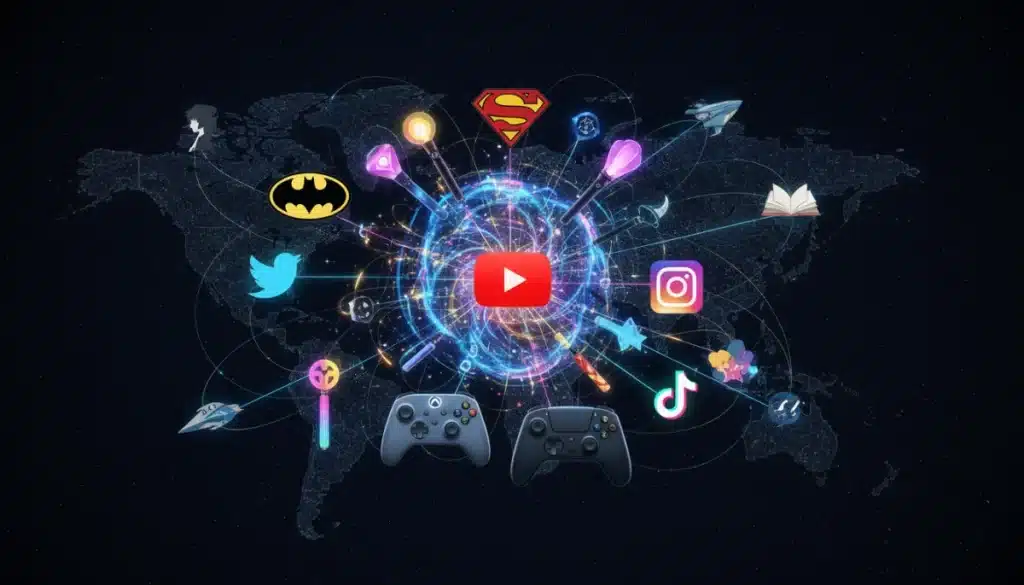
The digital landscape is a fertile ground for fandoms to flourish, with online communities actively shaping pop culture. This article explores five key communities currently at the forefront of these dynamic conversations and trends.
In an increasingly interconnected world, understanding how online communities influence and redefine pop culture is crucial. We are witnessing a monumental shift in how entertainment is consumed and discussed, with digital spaces becoming the epicenters of vibrant fan activity. This article delves into fandom trends online communities, spotlighting five pivotal groups that are currently driving significant pop culture conversations and shaping the future of entertainment.
The Rise of Digital Fandom Ecosystems
The internet has transformed fandom from a niche interest into a global phenomenon. No longer confined to conventions or fan clubs, enthusiasts can now connect instantly with like-minded individuals across continents, fostering communities that are both expansive and deeply intimate. These digital ecosystems provide platforms for discussion, creation, and collective action, fundamentally altering the relationship between creators and their audiences.
The accessibility of social media, forums, and specialized platforms has democratized fan participation. Fans can now directly interact with celebrities, influence narrative directions, and even contribute to the marketing and spread of their favorite content. This shift from passive consumption to active engagement is a hallmark of modern fandom, creating dynamic feedback loops that continuously evolve pop culture.
From Forums to Global Movements
- Dedicated Forums: Websites like Reddit and specialized fan forums continue to be foundational spaces for in-depth discussions, theories, and resource sharing.
- Social Media Powerhouses: Platforms such as Twitter, TikTok, and Instagram facilitate real-time reactions, trend-setting, and direct interaction with content creators and fellow fans.
- Streaming Platforms: Services like Twitch and YouTube enable live reactions, fan-made content, and collaborative viewing experiences, blurring the lines between audience and performer.
The power of these digital fandoms lies in their collective voice and organizational capacity. They can launch successful campaigns, drive merchandise sales, and even impact mainstream media narratives. Understanding their structure and influence is key to grasping the contemporary pop culture landscape.
K-Pop Stans: A Global Force of Coordinated Devotion
Few fandoms exemplify the power and coordination of online communities quite like K-Pop stans. Originating from South Korea, this global phenomenon has leveraged digital platforms to create an unparalleled level of fan engagement and influence. K-Pop groups like BTS and BLACKPINK owe much of their international success to their dedicated online fanbases, who masterfully utilize social media to promote their idols, stream music, and organize charitable initiatives.
The K-Pop fandom is characterized by its high level of organization and loyalty. Fans often engage in coordinated efforts to boost streaming numbers, vote in awards, and trend hashtags, demonstrating a collective power that can significantly impact cultural conversations. Their ability to mobilize quickly and effectively on a global scale makes them a formidable force in the digital realm.
Beyond Music: Social and Political Influence
While primarily focused on music, K-Pop stans have also demonstrated their capacity for social and political activism. They have famously used their organizational skills to disrupt political rallies, support social justice movements, and raise awareness for various causes. This showcases a fandom that extends beyond entertainment, utilizing its digital prowess for broader societal impact.
- Streaming Parties: Coordinated efforts to stream music videos and albums to break records and increase chart performance.
- Hashtag Campaigns: Strategic use of Twitter and other platforms to trend topics, promote new releases, and defend idols.
- Charitable Initiatives: Organizing donations and volunteer work in the name of their favorite groups, demonstrating a powerful social conscience.
The K-Pop fandom’s intricate network of online communities, from dedicated fan sites to global Twitter armies, illustrates how passion can translate into tangible influence, both within and beyond the entertainment industry.
Gaming Communities: Interactive Storytelling and Shared Worlds
Gaming communities represent another massive and influential segment of online fandom. From competitive esports enthusiasts to casual players of open-world RPGs, gamers form intricate networks that revolve around shared experiences, strategies, and lore. Platforms like Twitch, YouTube Gaming, and Discord serve as vital hubs where players connect, collaborate, and consume content related to their favorite titles.
What sets gaming fandoms apart is their inherent interactivity. Players don’t just consume stories; they actively participate in them, shaping their own narratives within digital worlds. This deep level of engagement fosters strong bonds and a sense of collective identity, leading to vibrant discussions, fan art, and elaborate theories that enrich the gaming experience.
The Evolution of Gaming Fandom
Modern gaming fandom extends far beyond simply playing games. It encompasses watching professional tournaments, following streamers, creating fan fiction, and engaging in discussions about game development and industry trends. The rise of esports has further solidified gaming as a legitimate cultural phenomenon, attracting massive audiences and significant investments.
Discord servers, in particular, have become central to gaming communities, offering real-time voice and text chat, dedicated channels for specific topics, and a sense of belonging for millions of players. These spaces allow for immediate feedback, collaborative problem-solving, and the formation of lasting friendships, all centered around a shared passion for gaming.
The constant evolution of games, with new releases and updates, ensures that gaming communities remain dynamic and ever-growing. Their influence on pop culture is undeniable, driving trends in technology, entertainment, and even fashion.
Superhero Universes: Deep Dives into Lore and Speculation
The enduring popularity of superhero franchises, particularly those from Marvel and DC, has cultivated some of the most intricate and passionately debated online communities. These fandoms thrive on dissecting every trailer, comic book panel, and plot twist, engaging in intense speculation about future storylines and character developments. Websites like Reddit (r/marvelstudios, r/DCEUleaks), dedicated forums, and YouTube channels are brimming with fan theories, analyses, and discussions.
The sheer volume of content—films, TV series, comics, and animated shows—provides an endless wellspring for discussion. Fans often possess encyclopedic knowledge of their chosen universe, leading to highly detailed and nuanced conversations that can last for years. This deep immersion into lore creates a strong sense of community among those who share a passion for these complex fictional worlds.
The Art of Speculation and Fan Theories
A significant aspect of superhero fandom is the art of speculation. Before major releases, online communities become hotbeds of theories, predictions, and wish lists. These discussions not only entertain but also build anticipation, contributing significantly to the cultural buzz surrounding new projects. Sometimes, fan theories even influence creative decisions or reflect broader audience desires.
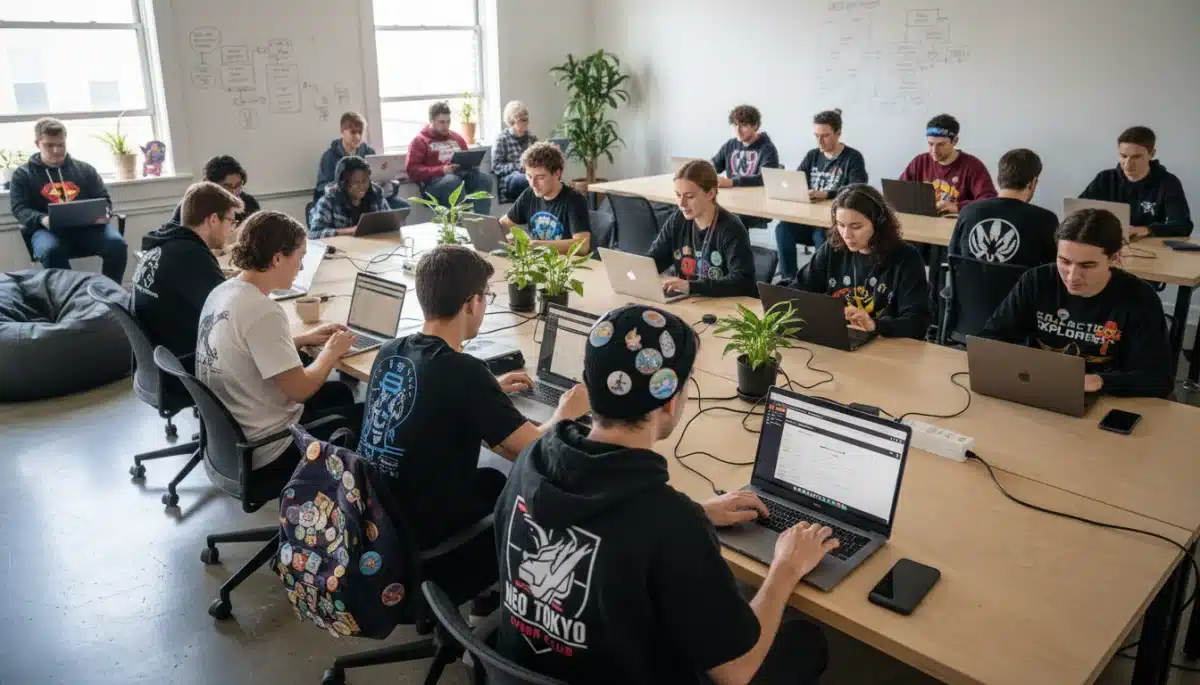
The interactive nature of these communities means that fans are not just passive consumers; they are active participants in shaping the narrative discourse. Their reactions, both positive and negative, are closely monitored by studios and creators, highlighting the significant power these online groups wield in the entertainment landscape.
The continuous expansion of superhero universes ensures that these communities remain active and influential, constantly adapting to new content and drawing in new members eager to explore the vastness of these fictional realms.
TV Series Enthusiasts: Binge-Watching, Ship Wars, and Community Building
The advent of streaming services has ushered in a golden age for TV series, and with it, a massive surge in online communities dedicated to dissecting every episode, character arc, and plot twist. From fantasy epics like House of the Dragon to intricate mysteries like Yellowjackets, TV series enthusiasts gather on platforms like Twitter, Tumblr, Reddit, and dedicated fan wikis to share their excitement, theories, and emotional responses.
Binge-watching culture has intensified this communal experience. When an entire season drops, fans race to watch and discuss, creating a compressed, high-intensity period of shared engagement. This immediate gratification fuels rapid-fire discussions and often leads to viral moments that capture mainstream attention.
The Dynamics of Ship Wars and Headcanons
- Ship Wars: Debates and passionate arguments over preferred romantic pairings (or ‘ships’) within a series, often leading to extensive fan fiction and art.
- Headcanons: Fan-developed interpretations or expansions of a series’ lore or character motivations that aren’t explicitly stated in the canon.
- Episode Discussions: Real-time reactions and post-episode analyses that deepen understanding and foster a sense of shared experience.
These communities provide a space for fans to process complex narratives, mourn character deaths, celebrate triumphs, and engage in creative expressions inspired by their favorite shows. The collective experience of watching and discussing a beloved series online strengthens bonds and amplifies the show’s cultural impact, making TV series fandoms a powerful force in pop culture conversations.
Retro Revival Fandoms: Nostalgia and Rediscovery in the Digital Age
Not all influential fandoms are centered around new releases. A significant and growing segment of online communities is dedicated to the retro revival of older media—classic films, vintage video games, and beloved TV shows from past decades. These fandoms are fueled by nostalgia but also by a desire for rediscovery, introducing new generations to cultural touchstones of yesteryear.
Platforms like YouTube, specialized emulation forums, and archives like the Internet Archive allow fans to access, discuss, and celebrate content that might otherwise be forgotten. This digital preservation and communal appreciation breathe new life into older works, demonstrating that pop culture influence isn’t solely about what’s current, but also what endures.
Connecting Generations Through Shared Nostalgia
Retro revival fandoms often bridge generational gaps, as older fans introduce younger audiences to the content they grew up with. This cross-generational appeal creates unique discussions, blending nostalgic appreciation with fresh perspectives. It highlights how digital spaces facilitate a continuous dialogue with the past, ensuring that cultural legacies remain vibrant and relevant.
From communities dedicated to 80s arcade games to forums analyzing classic Hollywood films, these groups demonstrate the timeless appeal of great storytelling and engaging media. Their passion ensures that the cultural conversations around these works continue to evolve, proving that the past can be just as influential as the present in shaping pop culture.
These communities not only celebrate the past but also actively contribute to its ongoing legacy, influencing reboots, remasters, and new content inspired by classic works. Their collective voice ensures that beloved retro properties continue to hold a significant place in the modern pop culture landscape.
| Key Fandom | Driving Influence |
|---|---|
| K-Pop Stans | Global coordination, streaming power, social activism. |
| Gaming Communities | Interactive engagement, esports, shared virtual worlds. |
| Superhero Universes | Deep lore analysis, intense speculation, narrative impact. |
| TV Series Enthusiasts | Binge-watching discussions, character ‘shipping’, viral moments. |
Frequently Asked Questions About Fandom Trends
Online fandoms significantly influence pop culture by driving discussions, creating viral content, and even impacting media production decisions. Their collective voice can elevate niche interests into mainstream phenomena, shaping narratives and consumer behavior. They act as powerful amplifiers for content.
‘Ship wars’ refer to passionate debates and sometimes heated arguments among fans of a TV series regarding preferred romantic pairings or ‘ships’ between characters. These discussions often take place on social media and forums, reflecting deep emotional investment in character relationships.
K-Pop stans exhibit influence through highly coordinated online efforts. They organize mass streaming events, trend hashtags globally, and engage in collective voting for awards. Beyond entertainment, they’ve also mobilized for social and political causes, showcasing their formidable organizational power.
Gaming communities are influential due to their interactive nature and vast global reach. They actively participate in game worlds, foster esports, and create extensive fan content. Their continuous engagement and direct feedback loops with developers make them a powerful force shaping digital entertainment and technology.
Nostalgia is a primary driver for retro revival fandoms, as it connects fans to beloved content from their past. However, these communities also serve to introduce classic works to new generations, ensuring their cultural legacy endures and evolves through fresh perspectives and ongoing digital discussions.
Conclusion
The digital age has undeniably transformed the landscape of pop culture, largely thanks to the emergence and evolution of powerful online fandoms. From the highly organized K-Pop stans who can shift global trends and influence social discourse, to the deeply analytical superhero enthusiasts dissecting every frame, and the interactive gaming communities shaping virtual worlds, these groups are more than just audiences; they are active participants and co-creators. Even retro revival fandoms demonstrate that past cultural touchstones remain vibrant through digital preservation and communal appreciation. Understanding these dynamic online communities is essential for anyone seeking to comprehend the true pulse of contemporary pop culture. Their collective voices, passions, and organizational capabilities continue to redefine how we consume, discuss, and even create entertainment, ensuring that the future of pop culture will remain a collaborative and ever-evolving digital spectacle.