Reality TV’s Evolution: 4 New Formats Dominating in 2026
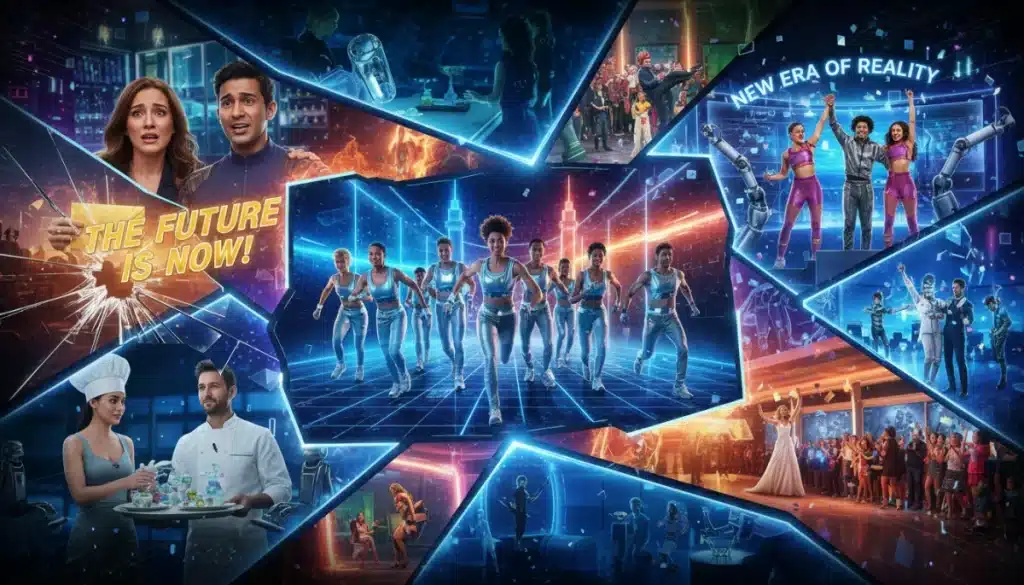
The evolution of reality TV is marked by innovative formats in early 2026, promising deeper engagement and novel storytelling for viewers.
As we step into early 2026, the world of unscripted entertainment is buzzing with anticipation. The landscape of reality television, a genre that has consistently reinvented itself, is once again on the cusp of a major transformation. This article delves into the evolution of reality TV: 4 new formats dominating viewership in early 2026, exploring how these innovative shows are capturing audiences and setting new benchmarks for entertainment.
The Rise of Immersive Narrative Reality
Immersive narrative reality is redefining how audiences connect with unscripted content. Moving beyond simple competitions or observational documentaries, these new formats weave intricate storylines that develop over an entire season, often blurring the lines between reality and scripted drama.
This approach focuses on character arcs, emotional depth, and plot twists that feel organic rather than manufactured. Viewers are no longer just passive observers; they become deeply invested in the journeys of the participants, anticipating each development as if it were a high-stakes drama.
Beyond the Competition: Story-Driven Formats
Traditional reality TV often relies on a clear winner-loser dynamic. However, story-driven formats prioritize the narrative journey itself, allowing for more nuanced outcomes and character development.
- Character-Centric Storylines: Shows are investing heavily in casting individuals with compelling personal stories and complex motivations, ensuring that their journeys resonate deeply with viewers.
- Unpredictable Outcomes: While there might be challenges, the ultimate ‘win’ is often less about a prize and more about personal growth or the resolution of a long-standing conflict.
- Enhanced Production Values: These formats often feature cinematic quality production, elevated musical scores, and sophisticated editing techniques that further enhance the immersive experience.
The success of immersive narrative reality lies in its ability to tap into universal human experiences, presenting them through the unfiltered lens of real-life situations. This creates a powerful, emotional connection that keeps viewers coming back week after week.
Interactive & Participatory Shows: The Audience as a Player
The digital age has ushered in an era where audiences expect more than just passive viewing. Interactive and participatory reality shows are meeting this demand head-on, transforming viewers from spectators into active participants. These formats leverage technology to allow audiences to influence outcomes, vote on decisions, or even contribute content directly to the show.
This shift from a one-way broadcast to a two-way dialogue has revolutionized engagement. Audiences feel a greater sense of ownership and connection to the shows they watch, knowing their input can genuinely shape the narrative.
Technological Integration for Viewer Engagement
Modern technology is at the heart of these interactive experiences. From real-time polling to augmented reality elements, the possibilities are vast.
- Live Polling and Voting: Viewers can influence challenges, eliminations, or plot directions through dedicated apps or social media platforms during live broadcasts.
- User-Generated Content (UGC) Integration: Some shows are incorporating viewer-submitted videos, comments, or creative challenges directly into episodes, making the audience a part of the content creation.
- Augmented Reality (AR) Experiences: AR overlays can provide additional context, behind-the-scenes glimpses, or interactive games that run parallel to the main show, deepening the immersive quality.
The future of reality TV is undoubtedly collaborative, with the line between content creators and consumers becoming increasingly blurred. These participatory formats are proving that when given the chance, audiences are eager to jump into the driver’s seat.
Social Experiment Reality: Exploring Human Behavior
Social experiment reality shows are gaining significant traction by offering a fascinating look into human psychology and societal norms. These formats place individuals in unique, often challenging, social constructs or environments to observe their reactions, interactions, and transformations. Unlike traditional competition shows, the focus here is less on winning and more on understanding the complexities of human behavior.
These shows often spark widespread public discussion, inviting viewers to reflect on their own biases, values, and perceptions. They serve as a mirror to society, prompting important conversations about topics ranging from prejudice to resilience.
Unveiling Societal Dynamics Through Unscripted Scenarios
The appeal of social experiment reality lies in its ability to reveal uncomfortable truths and celebrate unexpected human connections.
- Controlled Environments: Participants are often isolated or placed in highly specific social settings designed to test their adaptability and interpersonal skills.
- Ethical Considerations: Producers must navigate complex ethical landscapes, ensuring participant well-being while still creating compelling and insightful content.
- Psychological Depth: These shows frequently incorporate expert commentary from psychologists or sociologists to provide context and analysis of the observed behaviors.
By carefully crafting scenarios that push boundaries and challenge assumptions, social experiment reality formats offer a powerful blend of entertainment and educational insight, making them a significant force in the evolving reality TV landscape.

Skills-Based & Niche Competitions: Mastery Takes Center Stage
While general talent shows have always been popular, a new wave of reality TV is emerging that celebrates highly specific skills and niche expertise. These formats move away from broad categories, focusing instead on intricate crafts, specialized professions, or unique hobbies. From competitive blacksmithing to extreme cake decorating, these shows highlight individuals who have dedicated their lives to mastering a particular art or skill.
The appeal of these niche competitions is multifaceted. They offer viewers a glimpse into worlds they might not otherwise encounter, showcasing incredible talent and dedication. They also provide a platform for experts in often-overlooked fields to shine, inspiring others to explore their own passions.
Celebrating Expertise and Craftsmanship
These shows are not just about the final product; they emphasize the journey of creation, the challenges of mastery, and the passion behind each skill.
- Authentic Expertise: Participants are genuine masters of their craft, bringing a level of skill and knowledge that is both impressive and educational.
- Detailed Process Showcasing: A significant portion of these shows is dedicated to demonstrating the intricate processes involved in their respective skills, appealing to viewers who appreciate craftsmanship.
- Supportive Communities: While competitive, these shows often foster a sense of camaraderie among participants, celebrating shared passion rather than solely focusing on rivalry.
The emphasis on authenticity, skill, and genuine passion makes these skills-based and niche competitions a refreshing and engaging addition to the reality TV genre, proving that specialized content can find a broad and appreciative audience.
The Fusion of Digital Platforms and Broadcast
The lines between traditional broadcast television and digital streaming platforms have become increasingly blurred, and reality TV is at the forefront of this convergence. New formats are being developed specifically to leverage the strengths of both mediums, creating a seamless viewing experience that caters to modern consumption habits. This fusion allows for greater flexibility in content delivery, enhanced interactivity, and the ability to reach a global audience more effectively.
From companion apps that offer extended content to shows designed for binge-watching on streaming services while still maintaining a broadcast presence, this hybrid approach is maximizing reach and engagement. It acknowledges that viewers today consume media across multiple devices and platforms, often simultaneously.
Maximizing Reach and Engagement Across Platforms
This integrated approach is crucial for the longevity and success of new reality TV formats in a fragmented media landscape.
- Multi-Platform Storytelling: Narratives can extend beyond the main broadcast, with exclusive content, interviews, or challenges available on streaming platforms or social media.
- Synergistic Marketing: Promotion and engagement strategies are coordinated across all platforms, ensuring a consistent brand experience and maximizing audience acquisition.
- Data-Driven Content Creation: Insights from digital platform engagement can inform future seasons or spin-offs, allowing producers to tailor content more closely to viewer preferences.
The strategic integration of digital and broadcast platforms is not just a trend but a fundamental shift in how reality TV is produced, distributed, and consumed, ensuring its continued relevance and innovation.
Ethical Considerations and Future Trends
As reality TV continues its rapid evolution, ethical considerations become increasingly paramount. The pursuit of compelling content must always be balanced with the well-being and privacy of participants. New formats, especially those involving social experiments or deep personal narratives, necessitate robust ethical guidelines and psychological support for individuals involved. Transparency with participants about the potential impact of their involvement is crucial.
Looking ahead, we can expect further innovations in personalization and AI integration. Imagine reality shows that adapt their narratives based on viewer preferences, or formats that use AI to generate dynamic challenges. The future promises even more immersive and perhaps even hyper-personalized reality TV experiences, pushing the boundaries of what is possible in unscripted entertainment.
Navigating the Landscape of Responsible Reality TV
Ensuring ethical production is key to maintaining audience trust and the integrity of the genre.
- Participant Safeguards: Implementing stricter protocols for psychological evaluations, consent, and post-show support for contestants.
- Data Privacy: As shows become more interactive and collect viewer data, robust privacy measures will be essential to protect user information.
- Authenticity vs. Manipulation: Striking a delicate balance between crafting an engaging narrative and avoiding undue manipulation of real-life situations or participant emotions.
The future of reality TV is bright with potential, but its sustained success will depend not only on innovative formats but also on a strong commitment to ethical production and a deep understanding of evolving audience expectations and technological capabilities.
| Key Format | Brief Description |
|---|---|
| Immersive Narrative Reality | Story-driven shows with deep character arcs and organic plot development. |
| Interactive & Participatory | Audiences influence show outcomes through tech-enabled voting and content submission. |
| Social Experiment Reality | Explores human behavior and societal norms in controlled, unscripted scenarios. |
| Skills-Based Competitions | Showcases niche expertise and craftsmanship in focused competitive formats. |
Frequently Asked Questions About New Reality TV Formats
Immersive narrative reality TV focuses on developing complex storylines and character arcs over a season. It prioritizes emotional depth and organic plot progression, making viewers deeply invested in participants’ journeys rather than just competition outcomes.
Interactive reality shows engage viewers by allowing them to influence the show’s direction through live polling, voting, or submitting user-generated content. This transforms the audience into active participants, fostering a stronger sense of connection and ownership.
The goal of social experiment reality TV is to observe and understand human behavior within unique social constructs or environments. These shows explore psychological dynamics and societal norms, often sparking public discussion and self-reflection among viewers.
Skills-based reality competitions are popular because they celebrate niche expertise and craftsmanship. They offer viewers a fascinating look into specialized fields, showcasing genuine talent, dedication, and the intricate processes involved in mastering a particular skill or art form.
Technology is shaping reality TV by enabling greater interactivity, multi-platform storytelling, and data-driven content creation. It facilitates real-time audience participation, extends narratives across digital platforms, and allows for more personalized viewing experiences, ensuring the genre’s continued innovation.
Conclusion
The evolution of reality TV continues unabated, with early 2026 marking a significant period of innovation. The emergence of immersive narrative, interactive, social experiment, and skills-based formats demonstrates a clear shift towards deeper engagement, authenticity, and audience participation. These new approaches not only provide fresh entertainment but also reflect broader societal interests in complex storytelling and genuine human experiences. As technology advances and ethical considerations mature, the future of reality television promises even more dynamic and thought-provoking content, solidifying its place as a cornerstone of popular culture.