Streaming Wars Update Q1 2026: Content Strategies Reviewed
In Q1 2026, Netflix, Max, and Disney+ are intensely adapting their streaming content strategies to navigate the competitive landscape, focusing on exclusive programming, diverse audience engagement, and innovative distribution models to secure and expand their global subscriber bases.
The landscape of digital entertainment is in a constant state of flux, and the early months of 2026 are proving to be no exception. As major players vie for subscriber attention, the streaming content strategies of giants like Netflix, Max, and Disney+ are undergoing significant transformations, shaping the future of how we consume media.
Netflix’s Evolving Global Content Blueprint
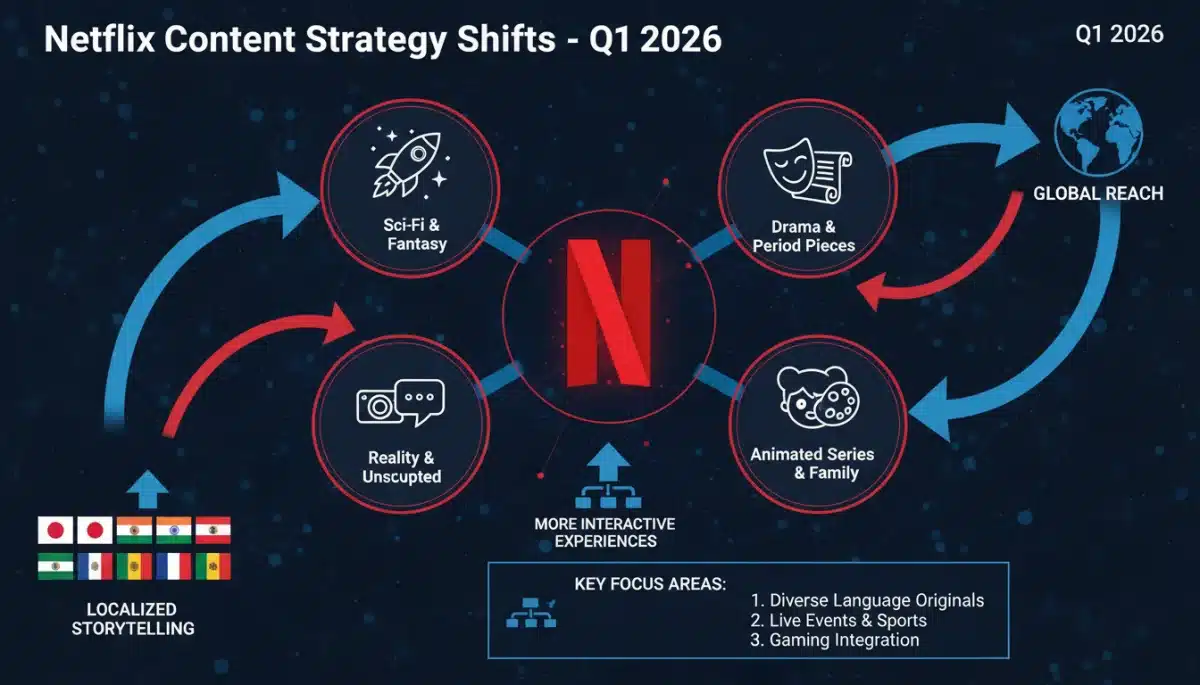
Netflix, a pioneer in the streaming revolution, continues to refine its global content strategy in Q1 2026, moving beyond sheer volume to focus on high-impact, culturally resonant productions. The platform is increasingly investing in localized content that appeals to specific regional tastes while also possessing universal themes capable of global breakout success.
This dual approach aims to solidify its position in mature markets and accelerate growth in emerging territories. The company has learned that a one-size-fits-all model no longer suffices in a hyper-competitive environment, necessitating a more nuanced and adaptive production pipeline.
Strategic Localized Productions
Netflix’s commitment to localized content has deepened significantly. This involves not just acquiring local films and series but actively funding and developing original productions in various languages, often integrating local talent and narratives.
- Regional Hubs: Expanding production hubs in Europe, Asia, and Latin America to foster local creative ecosystems.
- Language Diversity: Prioritizing content in non-English languages that can then be dubbed or subtitled for broader audiences.
- Cultural Authenticity: Ensuring narratives authentically reflect local customs, social issues, and humor to resonate deeply.
Diversifying Content Genres
Beyond geographical expansion, Netflix is also broadening its genre appeal. While known for its dramas and thrillers, Q1 2026 sees a concerted push into unscripted reality, animation for all ages, and interactive storytelling formats. This diversification aims to capture a wider demographic and reduce reliance on any single content category.
The goal is to provide something for everyone, making the subscription indispensable for entire households. This includes strategic partnerships with independent studios and creators to bring fresh perspectives and innovative concepts to the platform.
In conclusion, Netflix’s Q1 2026 strategy is characterized by a sophisticated blend of global reach and local relevance, coupled with a robust diversification across genres. This nuanced approach is designed to maintain its competitive edge and ensure sustained subscriber engagement in a rapidly changing market.
Max’s Premium Entertainment and Brand Synergy
Max, the rebranded and expanded streaming service from Warner Bros. Discovery, is leveraging its rich library and iconic brands to carve out a distinct niche in the Q1 2026 streaming landscape. Its strategy centers on premium, high-quality content derived from its extensive intellectual property, alongside strategic new originals that reinforce its brand identity.
The platform’s strength lies in its ability to offer a curated selection of critically acclaimed series, blockbuster films, and beloved franchises. This focus on quality over quantity aims to attract and retain subscribers who value prestige television and cinematic experiences.
Leveraging Iconic Franchises
Max is capitalizing on its vast portfolio of Warner Bros., HBO, and DC content. In Q1 2026, this translates into new installments, spin-offs, and reboots of popular franchises, ensuring a steady stream of highly anticipated releases that generate significant buzz.
- DC Universe Expansion: New series and films expanding the DC cinematic and television universe, often with direct connections to theatrical releases.
- HBO Legacy: Continued investment in high-production-value dramas and comedies that uphold HBO’s reputation for excellence.
- Warner Bros. Film Library: Exclusive early streaming windows for major Warner Bros. theatrical releases, making Max a prime destination for new movies.
Curated Content Experience
Unlike some competitors, Max aims for a more curated user experience, emphasizing discovery of premium content rather than overwhelming choice. This involves sophisticated recommendation algorithms and editorial spotlights that guide viewers to high-quality programming that aligns with their interests.
The platform is also exploring innovative ways to bundle content and offer tiered subscriptions that cater to different viewer preferences, from casual watchers to dedicated fans of specific genres. This adaptability in pricing and packaging is crucial for attracting a broad audience.
Ultimately, Max’s Q1 2026 strategy is about consolidating its position as a premium destination. By focusing on its strongest assets and delivering a consistently high-quality viewing experience, Max seeks to differentiate itself in a crowded market and maintain subscriber loyalty.
Disney+’s Family-Friendly Expansion and Synergies
Disney+ continues to leverage its unparalleled family-friendly brand in Q1 2026, but with a noticeable expansion into more mature content through its Star hub in international markets and Hulu integration in the U.S. The core strategy remains centered on its beloved franchises – Disney, Pixar, Marvel, Star Wars, and National Geographic – while strategically broadening its appeal to older demographics.
This dual approach acknowledges the need to retain younger viewers as they age, offering a seamless transition to more complex storytelling within the Disney ecosystem. The platform is also focusing on interactive experiences and merchandise tie-ins to create a holistic entertainment offering.
Franchise Powerhouses and New Narratives
Disney+’s strength lies in its ability to continuously generate new content from its iconic franchises. Q1 2026 sees a robust slate of new series and films that delve deeper into established universes while also introducing new characters and storylines that expand the lore.
This continuous flow of familiar yet fresh content is a key driver for subscriber acquisition and retention. The platform understands that fans are deeply invested in these worlds and are eager for more stories.
Targeting Broader Demographics
While family remains central, Disney+ is actively courting young adults and adults without children through its Star content (internationally) and the ongoing integration with Hulu (in the U.S.). This strategy aims to increase the platform’s utility for a wider range of households, making it a more comprehensive entertainment solution.
- Hulu Integration: Streamlining access to Hulu’s more adult-oriented library within the Disney+ app for U.S. subscribers.
- Star Originals: Developing original series and films for the Star brand that cater to mature audiences, including dramas, thrillers, and comedies.
- Sports Content: Exploring strategic partnerships and offerings around live sports to capture a significant segment of the adult market.
In essence, Disney+’s Q1 2026 strategy is about controlled expansion. By maintaining its core family appeal while thoughtfully venturing into new content territories, Disney+ aims to grow its subscriber base and increase its overall market share in the competitive streaming landscape.
The Impact of Ad-Supported Tiers and Pricing
The first quarter of 2026 highlights a significant trend across all major streaming platforms: the increasing prominence of ad-supported tiers and dynamic pricing models. This is a direct response to market saturation and the need to offer more affordable options to consumers, while simultaneously creating new revenue streams.
Both Netflix and Disney+ have embraced ad-supported plans, and Max has refined its own offerings. This shift is not merely about cost reduction for subscribers but also about sophisticated ad targeting and integration, promising a new era of personalized advertising within streaming environments.
Ad-Supported Tier Evolution
Initially met with skepticism by some, ad-supported tiers have proven to be a vital component of streaming content strategies. In Q1 2026, these tiers are becoming more sophisticated, with platforms investing in better ad tech and more seamless ad experiences to minimize disruption for viewers.
- Personalized Advertising: Utilizing viewer data to deliver highly relevant ads, enhancing their effectiveness.
- Reduced Ad Load: Striking a balance between ad revenue and viewer experience by optimizing the frequency and duration of commercial breaks.
- Premium Ad Formats: Experimenting with interactive ads, branded content, and other innovative formats to engage viewers.
Dynamic Pricing Strategies
Beyond ad-supported options, platforms are also exploring more dynamic pricing models. This includes offering various bundles, promotional discounts for long-term commitments, and even region-specific pricing adjustments to maximize global reach and affordability.
The goal is to make the subscription accessible to a broader economic spectrum, thereby increasing the total addressable market. This flexibility in pricing is a crucial lever in the ongoing streaming wars, allowing platforms to compete on value as much as on content.
Ultimately, the evolution of ad-supported tiers and pricing strategies in Q1 2026 underscores a maturation of the streaming industry. Platforms are becoming more adept at balancing subscriber growth, content investment, and profitability through diverse revenue models.
Technological Innovations and User Experience
Beyond the content itself, technological innovation and an enhanced user experience remain critical battlegrounds in the Q1 2026 streaming wars. Platforms are continuously investing in advanced features, intuitive interfaces, and robust infrastructure to ensure seamless playback and engaging interactions. This focus on the technical aspects is crucial for subscriber satisfaction and retention.
From personalized recommendations to immersive audio-visual experiences, the technological arms race is as intense as the content acquisition one. Platforms understand that even the best content can be undermined by a poor user interface or technical glitches.
Advanced Personalization and Discovery
Q1 2026 sees further advancements in AI-driven personalization. Recommendation engines are becoming more sophisticated, not just suggesting content based on past viewing but also anticipating future preferences, mood, and even time of day. This helps users discover new content more efficiently and reduces churn.
- Contextual Recommendations: Suggestions based on external factors like current events, trending topics, and seasonal preferences.
- Interactive Profiles: Allowing users to fine-tune their preferences more actively, leading to more accurate suggestions.
- Cross-Platform Sync: Seamless viewing experiences across various devices, picking up exactly where a user left off.
Immersive Audio-Visual Standards
High-quality audio and video remain paramount. Platforms are pushing the boundaries of 4K, HDR, and spatial audio to deliver a truly cinematic experience at home. This commitment to technical excellence is a key differentiator for premium content and enhances the overall perceived value of a subscription.
Additionally, accessibility features are gaining more prominence, with improved subtitle options, audio descriptions, and navigation for users with disabilities. This inclusive approach broadens the appeal of platforms to a wider audience.
In conclusion, technological innovation in Q1 2026 is not just about flashy features but about creating a consistently superior and inclusive user experience. These advancements are integral to keeping subscribers engaged and ensuring platforms remain at the forefront of digital entertainment.
The Future Outlook: Collaborations and Consolidation
Looking beyond Q1 2026, the streaming landscape is ripe for further evolution, with an increased likelihood of strategic collaborations and potential consolidation. As competition intensifies and content costs continue to rise, platforms may find mutual benefits in partnerships or even mergers to strengthen their market positions and diversify their offerings.
This forward-looking perspective suggests that the current state of intense rivalry might eventually give way to more complex alliances, aimed at optimizing resources and expanding global reach more efficiently. The emphasis will be on sustainable growth rather than simply chasing subscriber numbers at all costs.
Emergence of Strategic Alliances
Rather than outright acquisitions, Q1 2026 shows early signs of streaming services forming strategic alliances. These could range from content-sharing agreements to joint ventures in technology development or advertising sales. Such collaborations can reduce overheads and provide access to new markets or content libraries without full integration.
- Content Syndication: Licensing specific content libraries between platforms to fill gaps in their offerings.
- Tech Partnerships: Collaborating on developing new streaming technologies, such as improved compression or interactive features.
- Bundling Services: Offering combined subscriptions with other entertainment or utility services to create greater value for consumers.
Potential for Consolidation
While major players like Netflix, Max, and Disney+ are unlikely to merge with each other, smaller niche services or even mid-tier platforms might become acquisition targets. The drive for economies of scale and broader content portfolios could lead to a wave of consolidation, streamlining the market.
This consolidation could result in fewer, but larger, streaming entities, each offering a more comprehensive range of content and services. Such moves would reshape the competitive dynamics and could lead to new pricing structures and content strategies.
In summary, the future of streaming post-Q1 2026 points towards a more interconnected and potentially consolidated industry. Strategic collaborations and mergers will be key drivers in navigating the complexities of the market, ensuring long-term viability and continued innovation for the major players.
| Key Platform | Q1 2026 Content Strategy Focus |
|---|---|
| Netflix | Globalized local content, genre diversification, high-impact originals. |
| Max | Premium content from iconic franchises, curated user experience, quality over quantity. |
| Disney+ | Family-friendly core, expanded mature content via Star/Hulu, franchise new narratives. |
| Industry Trends | Growth of ad-supported tiers, dynamic pricing, technological innovation, potential consolidation. |
Frequently Asked Questions About Streaming Strategies
Netflix is shifting towards a strategy of investing in high-impact, culturally resonant localized content globally, while also diversifying its genre offerings beyond traditional dramas to include more unscripted reality, animation, and interactive formats.
Max is concentrating on leveraging its extensive intellectual property from Warner Bros., HBO, and DC. This involves creating premium, high-quality content, including new installments and spin-offs of iconic franchises, to attract and retain subscribers who value prestige entertainment.
Disney+ is broadening its appeal by integrating more mature content through its Star hub in international markets and enhancing its Hulu integration in the U.S. This strategy aims to cater to young adults and adults without children, offering a wider range of genres.
Ad-supported tiers are growing due to market saturation and the need for more affordable options. They create new revenue streams for platforms and allow them to offer lower-priced subscriptions, attracting a broader consumer base while still generating income.
Technology is crucial for enhancing user experience through advanced personalization, sophisticated recommendation engines, and immersive audio-visual standards like 4K and spatial audio. These innovations are key for subscriber satisfaction and competitive differentiation.
Conclusion
As Q1 2026 unfolds, the streaming wars continue to be a dynamic and fiercely competitive arena. Netflix, Max, and Disney+ are each implementing distinct yet adaptive content strategies, driven by the need to secure and expand their global subscriber bases. From Netflix’s focus on localized global content to Max’s premium brand synergy and Disney+’s strategic expansion beyond family-friendly fare, the industry is witnessing a sophisticated evolution. Coupled with the rise of ad-supported tiers, dynamic pricing, and continuous technological innovation, the future of streaming promises even more personalized, diverse, and engaging entertainment experiences for audiences worldwide. The strategic moves made in these early months of 2026 will undoubtedly shape the landscape for years to come.